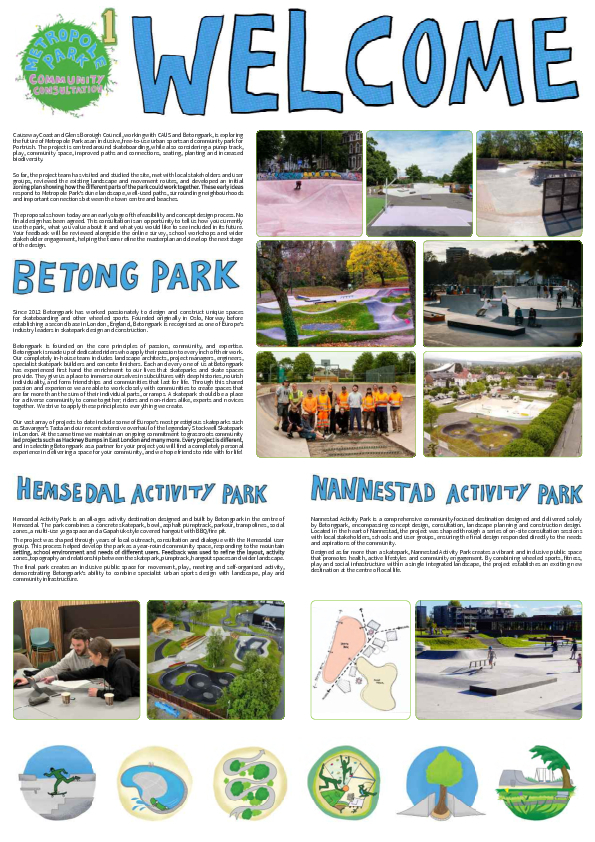
Design Process
Our aim is more than a skatepark: an inclusive, accessible public park that brings together wheeled sports, play, community space, landscape and ecology for people of all ages and abilities.
Site visits, consultation events and conversations with local people showed us what the park needs to offer, while existing paths, dunes, levels, drainage, neighbouring homes and the links between the town centre, East Strand and West Strand all shaped the thinking.
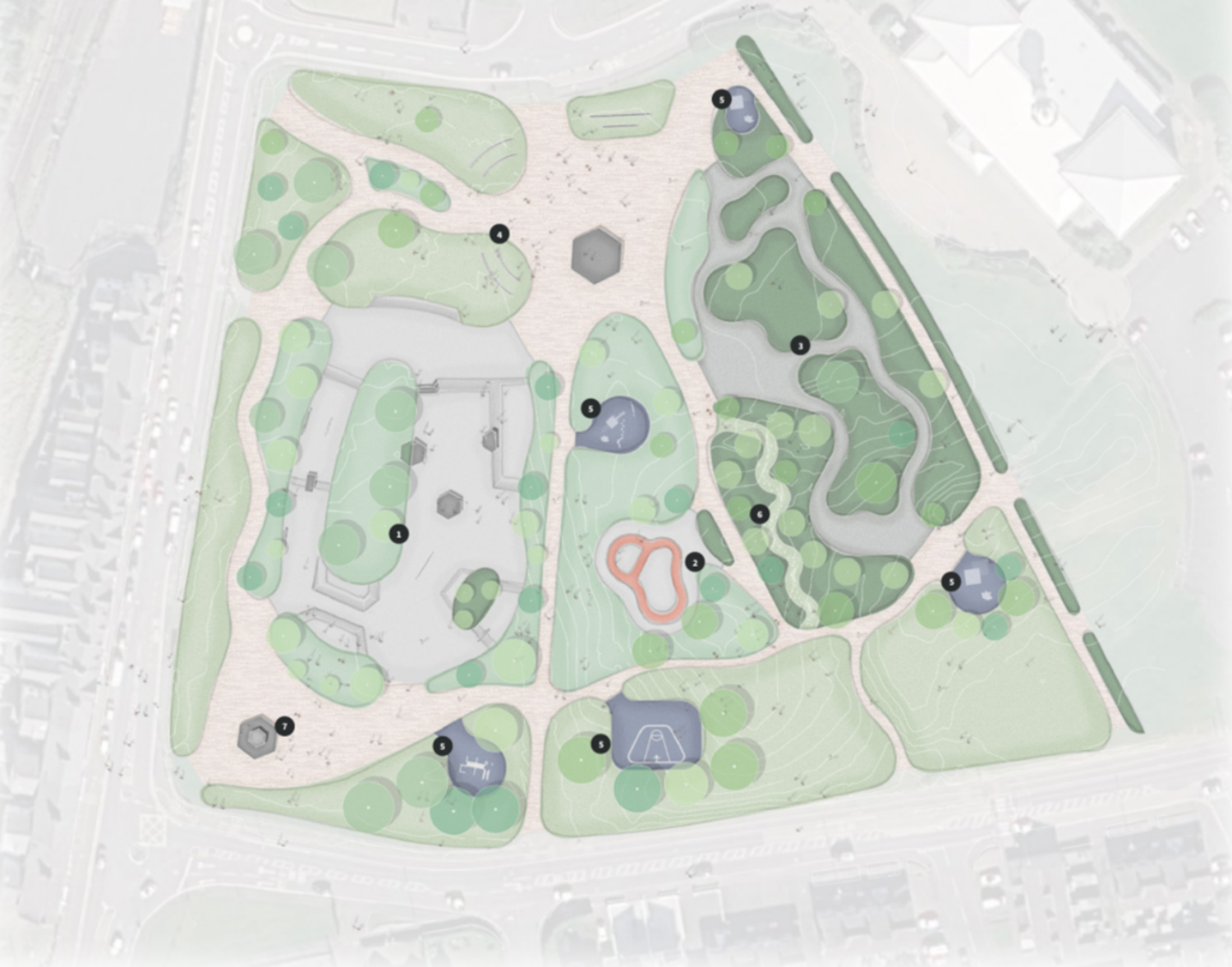
We mapped both the formal paths and the informal routes worn by walkers, dog walkers and regular users. Rather than imposing a new layout, we used these as the basis for the path network, then placed activity zones around it – responding to what we heard, the landscape and how different activities sit together, with quieter areas next to neighbouring homes.
The result is an initial zoning plan, not a finished design. Your feedback will help us test these ideas and shape a park that reflects Portrush.
Skate Space
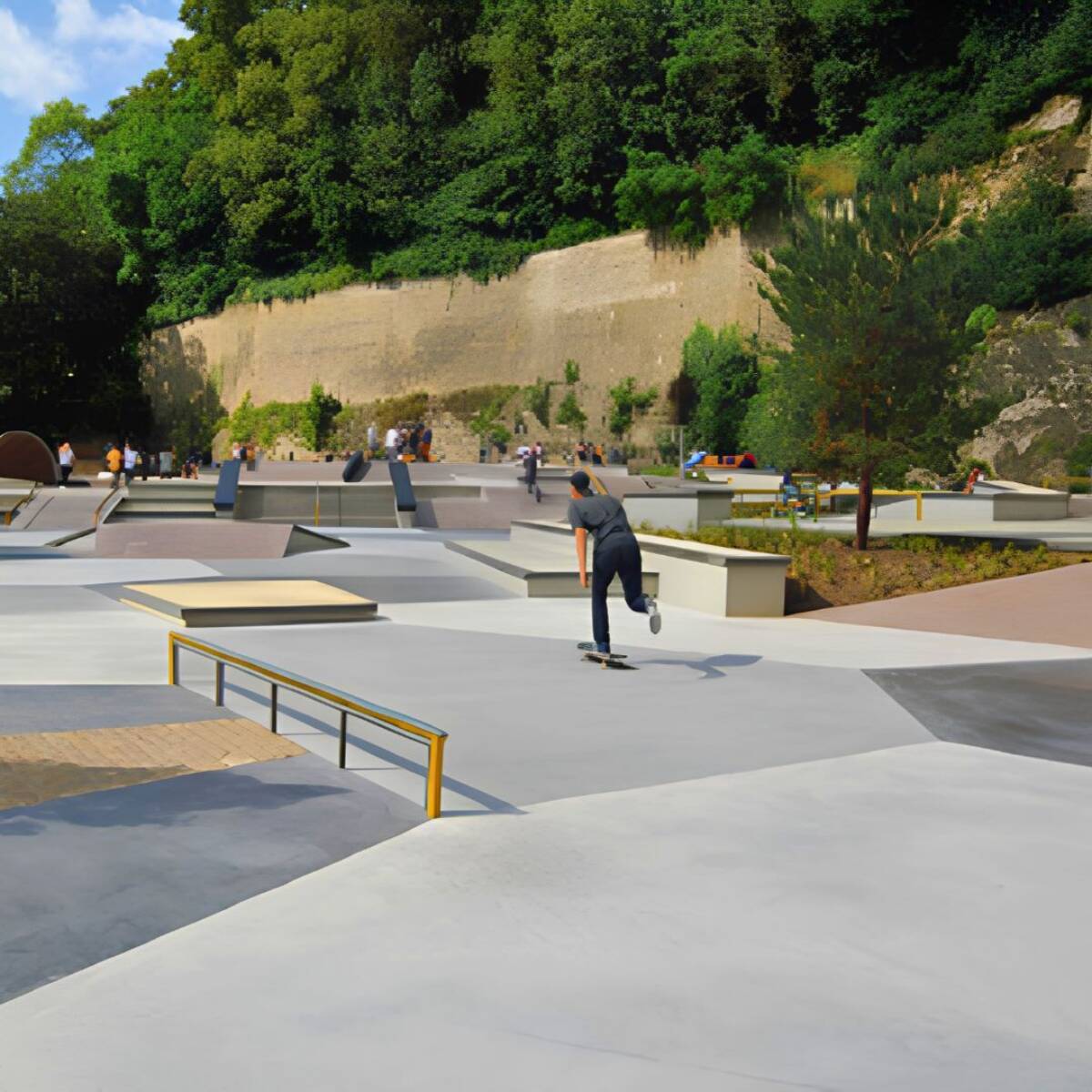
Local skaters have driven this project, and a permanent skate facility has long been an ambition for Portrush. A plaza-style skate space emerged as a top priority during the consultation.
- Main plaza: at the centre of the park, linking to the other activity areas.
- Mini ramp: a smaller, more secluded zone to the south, also requested by local skaters, with planting between it and the plaza.
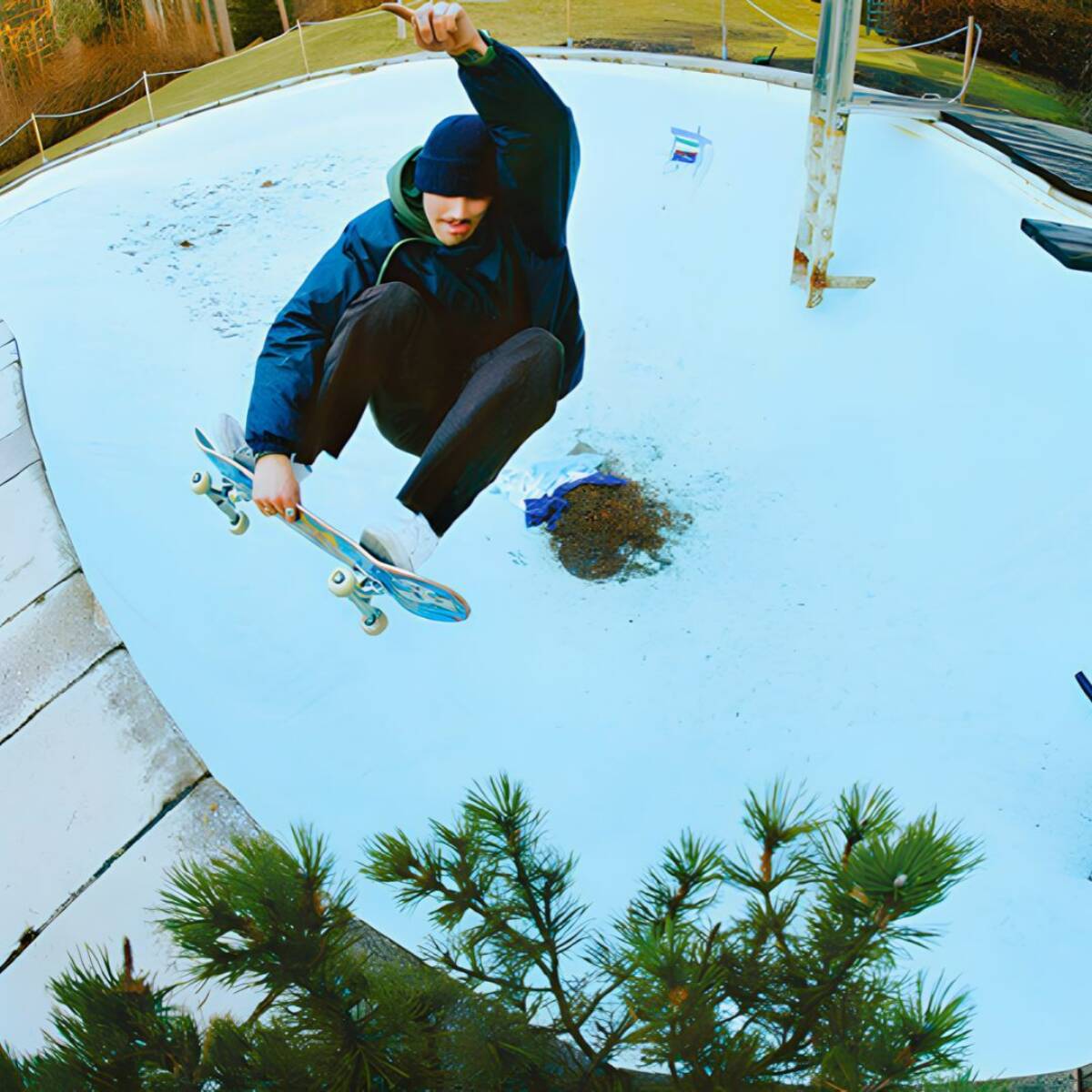
- Bowl: set apart in the dunes to give it its own character and avoid clashes between skating styles, with the surrounding slopes offering natural seating and viewing.
The community space sits at the entrance, so visitors arrive somewhere welcoming before moving into the more active areas. The layout is indicative and will be refined using the feedback we have received, with the aim of a varied skate offer that feels part of the landscape.
Pump Track
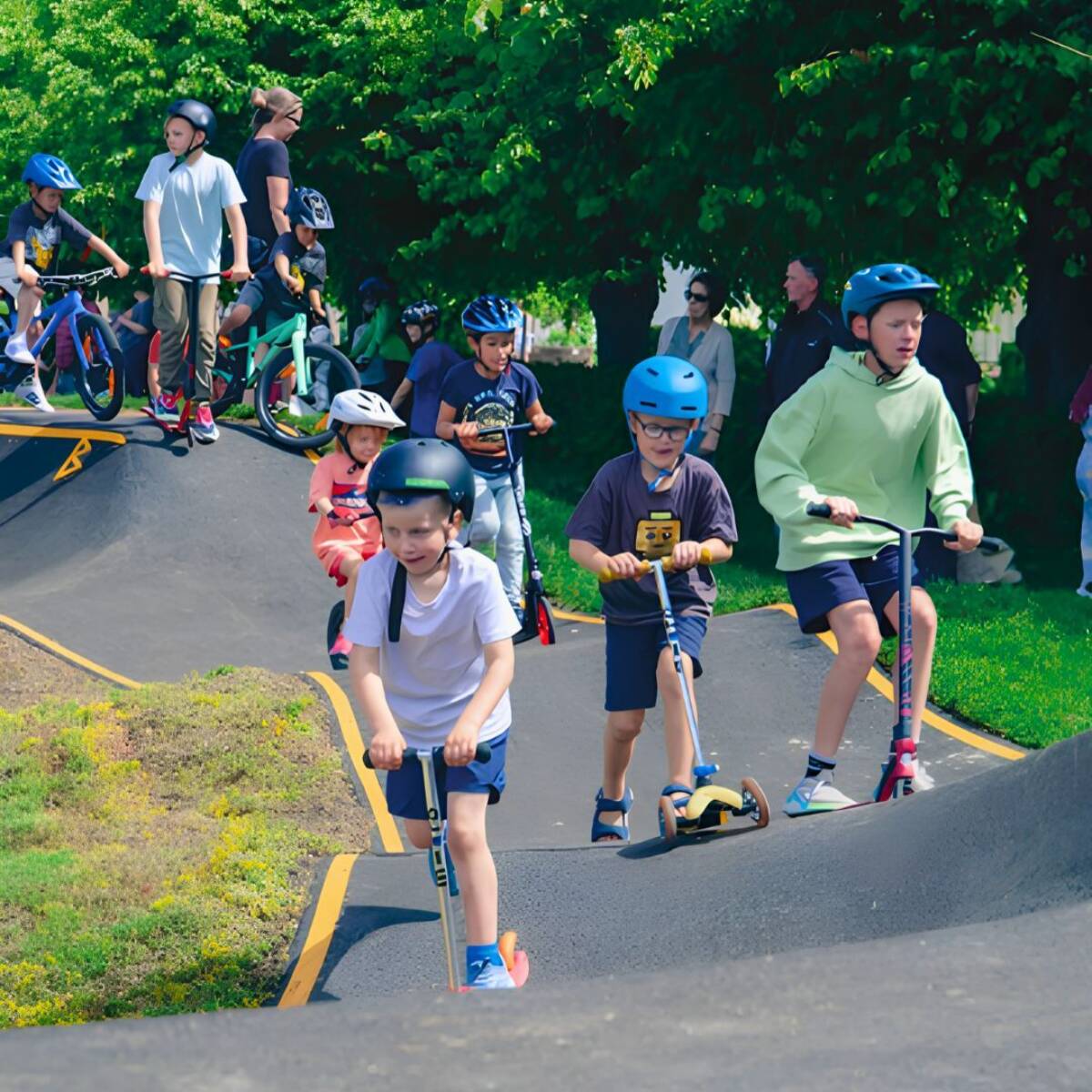
The pump track is imagined as a wider riding landscape rather than a single track, running from the north of the site up into the dunes.
- Beginners: an accessible track to the north, weaving through trees and planting.
- More challenging: mountain bike-style riding up through the dunes, using the natural changes in level.
- Places to hang out: spots to stop and watch along the way, whether you ride or not.
Biodiversity planting and sustainable drainage can be built in alongside. Routes and features are indicative.
Play Space
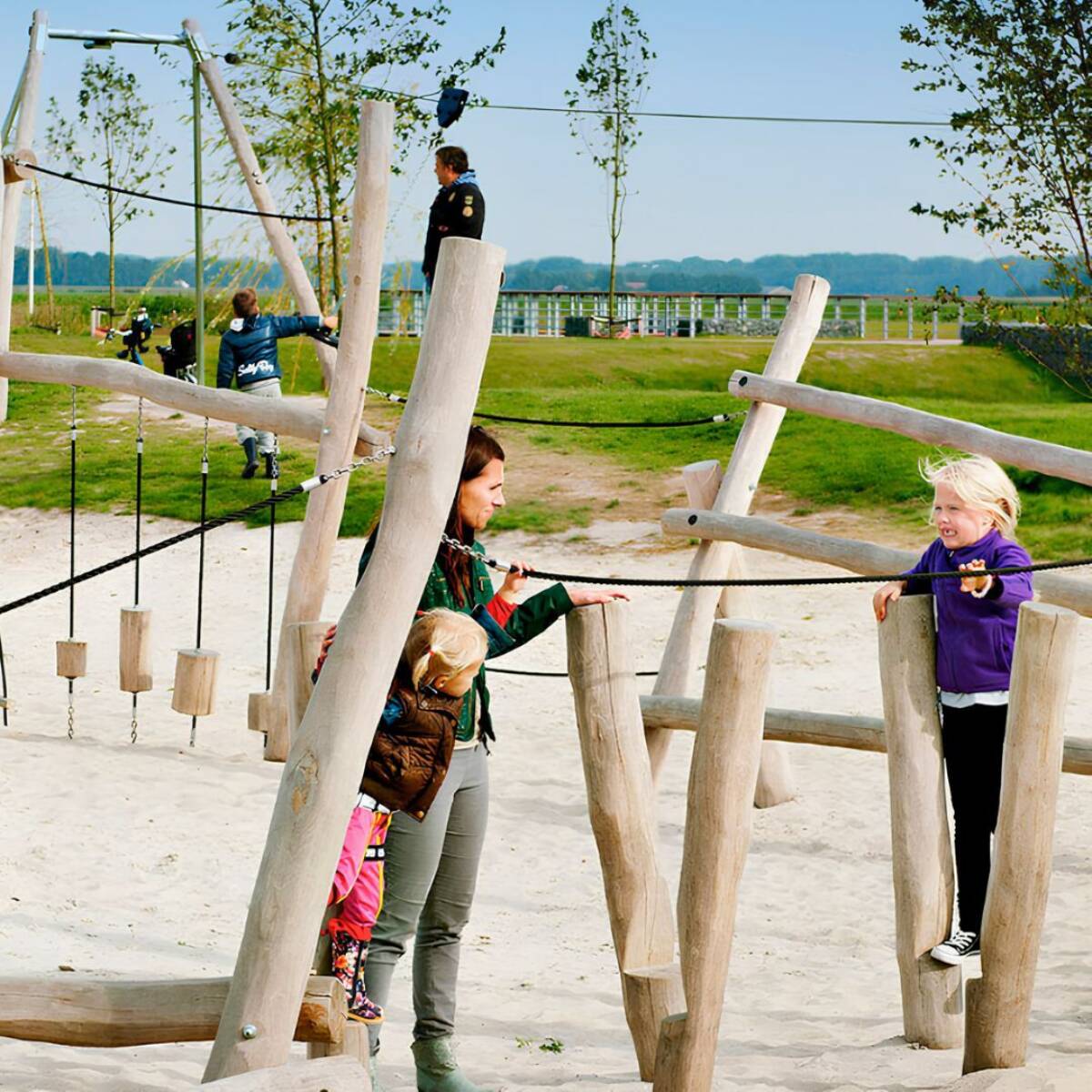
Rather than a single fenced playground, play is spread across the park as a "playable landscape" – something different from the play areas already available locally.
- Play for younger children near the community space, close to where families gather.
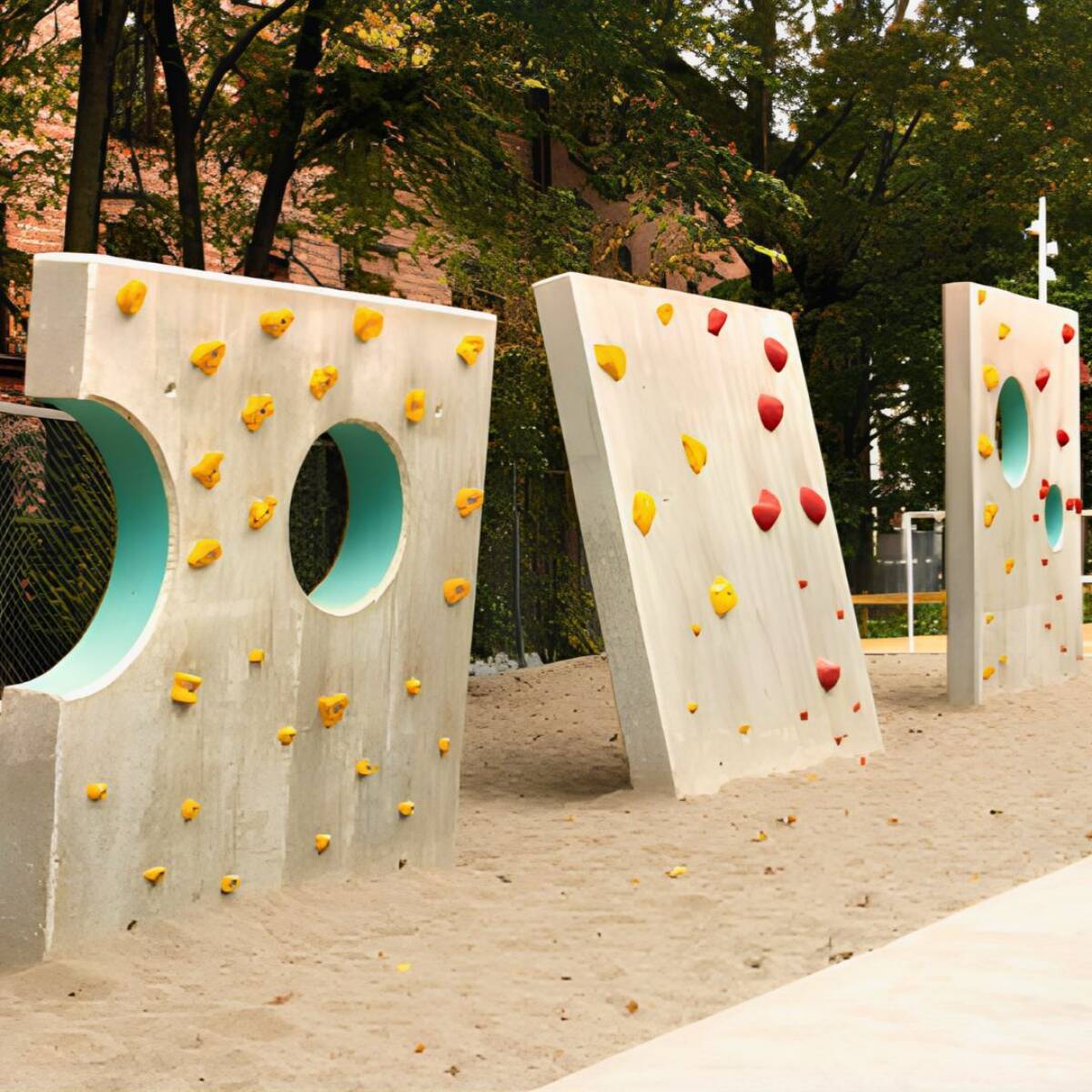
- Climbing built into the dunes and informal ball games in sheltered glades.
- Features inspired by the history and culture of Portrush.
- Nature and discovery trails through planted areas and habitats.
Specific features will be developed using the feedback we have received, with the aim of a fun, inclusive landscape for all ages and abilities.
Community Space
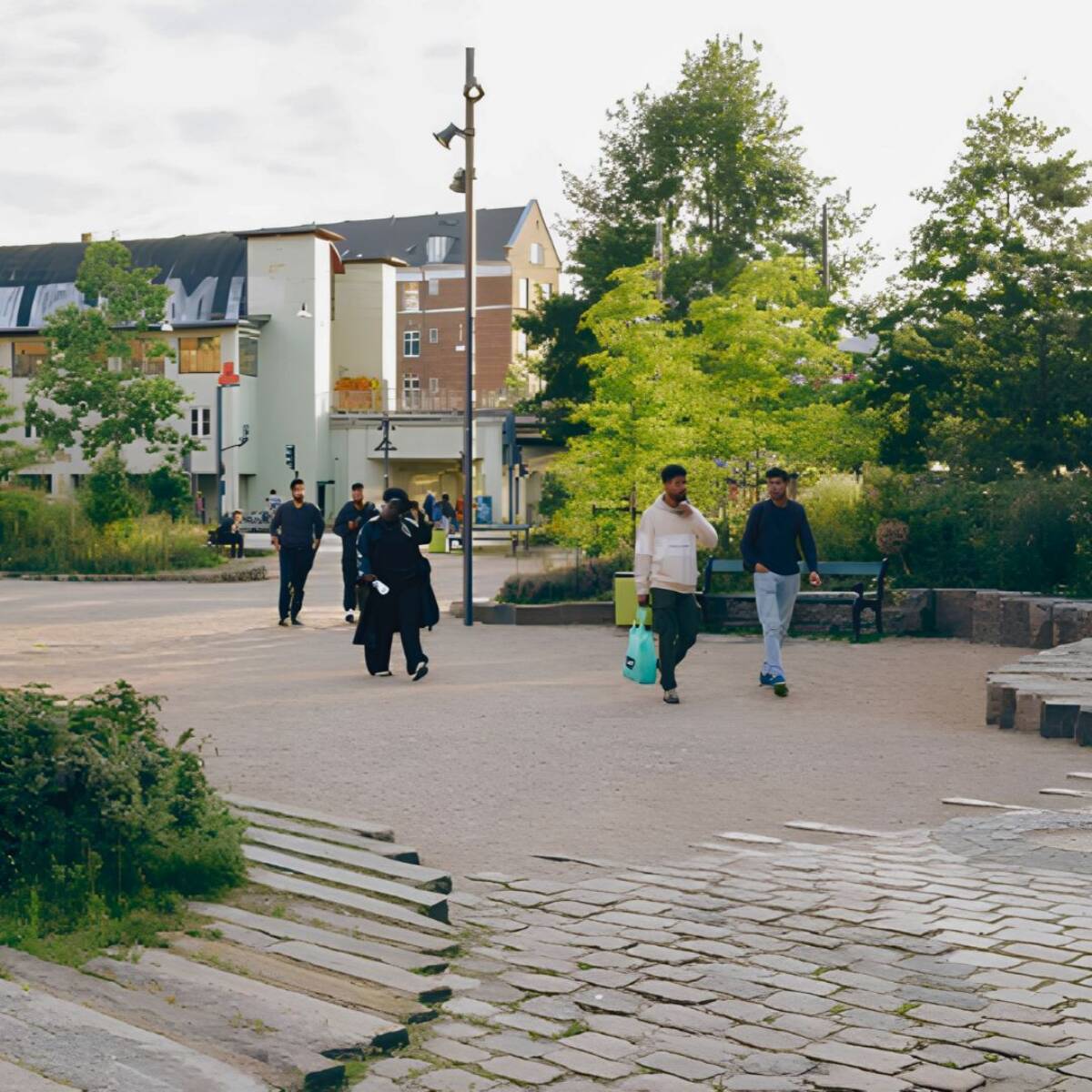
The community space forms the welcoming entrance to the park from the town centre. Flexible by design, it can be a place to meet friends, walk the dog or sit in the sun day to day, and host events, performances and community gatherings at other times.
A mix of hard surfaces and grass gives the flexibility of a plaza while keeping the park green. At its centre, a Giant's Causeway-inspired stage and seating, surrounded by grassy amphitheatre-style banks and native planting, gives the space a distinctly North Coast identity.
Circulation & Biodiversity
Paths
Existing routes and desire lines revealed key links between the neighbourhoods, town centre, railway station and beaches, especially between East Strand and West Strand. These form the basis of a clearer network of main and secondary paths, accessible on foot, by wheelchair or mobility aid, or on wheels, winding through planting, dunes, activity areas and quieter spaces.
Biodiversity
New trees, native coastal planting, wildflower meadows and longer grass will create connected habitat across the whole site, rather than isolated pockets. We're aiming for at least 80% of planting species to support native pollinators, chosen to cope with the exposed coast. Sandy banks and bee bricks could help solitary bees such as the Northern colletes, a Northern Ireland Priority Species recorded nearby.
Sustainable drainage, seating and nature trails will sit alongside the paths, so nature becomes part of everyday life in the park.

You can access the survey here
https://www.surveymonkey.com/r/PVFTDSQ
Download the Consultation Boards Here